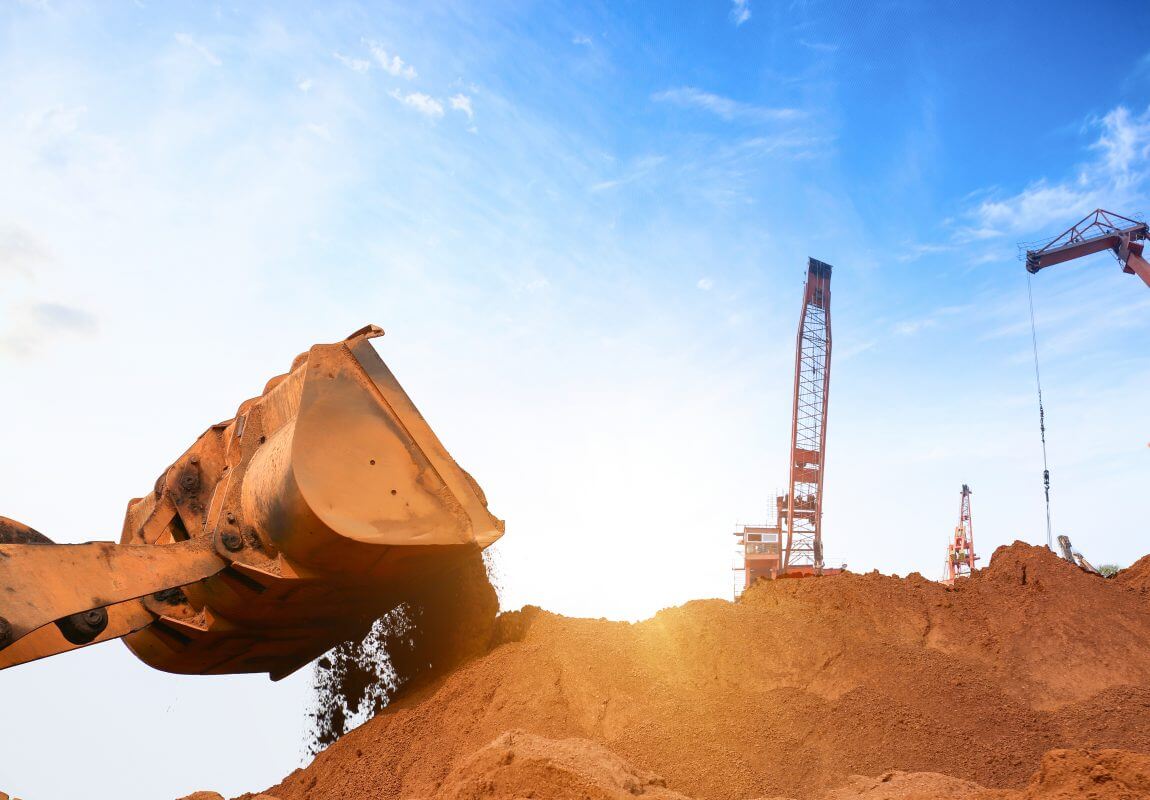
Heavy demolition refers to the process of demolishing large, complex structures or buildings using specialized equipment, machinery, and techniques. It involves the complete removal or dismantling of a structure, often involving heavy-duty construction materials and substantial amounts of debris. Heavy demolition projects can range from the demolition of high-rise buildings to industrial facilities, bridges, dams, or other large-scale structures.
Here are some key aspects of heavy demolition
1. Structural Evaluation and Planning: Before initiating a heavy demolition project, a thorough evaluation of the structure is conducted to assess its condition, determine potential hazards, and plan the most efficient and safe demolition method. This evaluation involves structural engineers, demolition experts, and other professionals who analyze blueprints, conduct site inspections, and identify any potential risks.
2. Permitting and Compliance: Heavy demolition projects require obtaining permits and complying with local, state, and federal regulations. These regulations often include environmental considerations, asbestos or hazardous material abatement, noise control, and public safety measures. The demolition contractor or project manager works closely with regulatory agencies to secure the necessary permits and ensure compliance.
3. Equipment and Machinery: Heavy demolition requires specialized equipment and machinery capable of handling the scale and complexity of the project. This may include hydraulic excavators, wrecking balls, high-reach excavators or demolition machines, crushers, shears, and other heavy machinery. The selection of equipment depends on factors such as the size and type of structure, accessibility, and environmental considerations.
4. Demolition Techniques: Various techniques are employed in heavy demolition based on the specific project requirements. Common methods include:
5. Waste Management and Recycling: Heavy demolition generates significant amounts of debris and waste. Responsible demolition contractors incorporate waste management and recycling practices. Salvageable materials, such as metal, wood, concrete, or brick, may be separated and recycled to minimize the environmental impact of the demolition.
6. Safety Considerations: Heavy demolition presents inherent safety risks due to the scale of the project and the presence of hazardous materials. Safety measures, including site security, dust and noise control, proper disposal of hazardous materials, and adherence to safety protocols, are crucial to protect workers, the public, and the environment.
7. Site Clearing and Restoration: Once the structure is demolished, the site is cleared of debris and prepared for future development or landscaping. This may involve grading the land, backfilling excavated areas, and implementing erosion control measures.
Heavy demolition projects require expertise, careful planning, and adherence to safety regulations to ensure a successful and safe demolition process. Experienced demolition contractors with a track record in handling complex projects are typically engaged to manage heavy demolition operations effectively.

1517 W. 130th St.
Gardena, CA

(310) 305-8900

24/7